The Discoveries Of Travel Tips & Guides – For Smart People Who Like to do Cool Things in Awesome Places
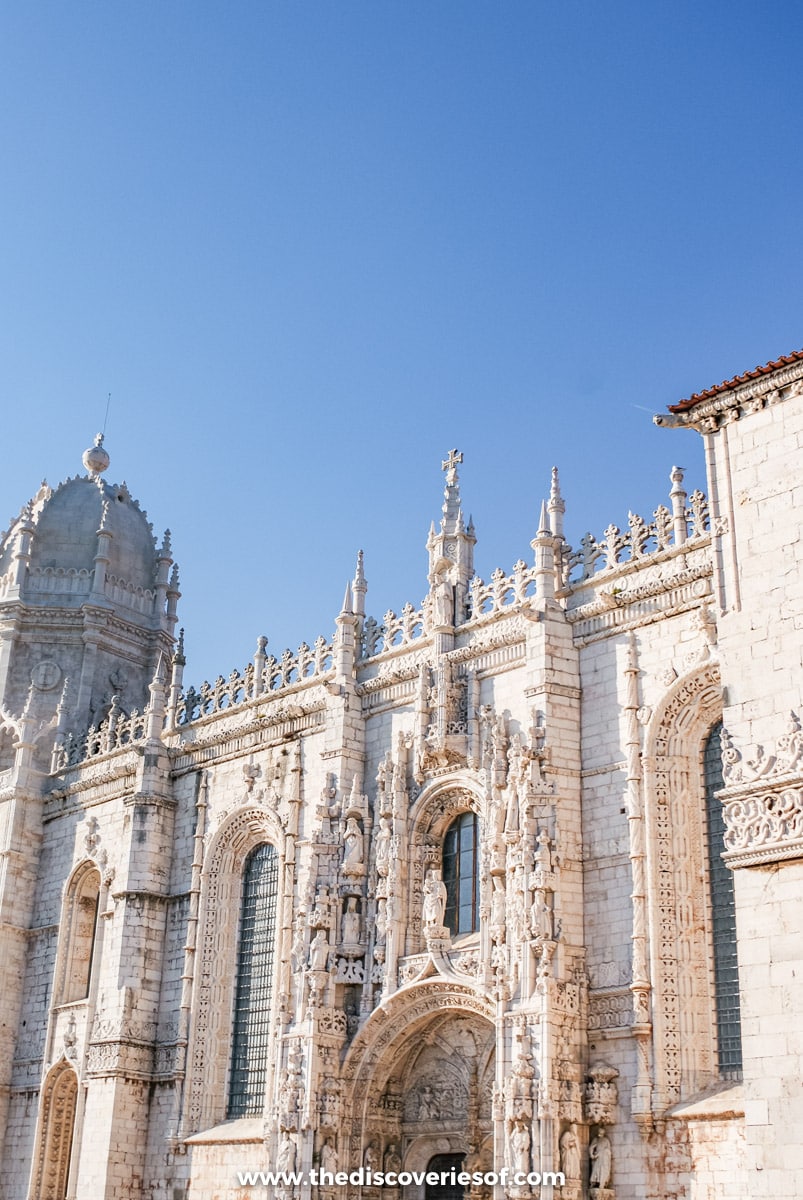
- How to Spend One Week in Portugal: The Perfect Portugal Itinerary
 by Julianna Barnaby on August 23, 2026 at 11:15 am
Planning your trip to Portugal and not sure where to start? Use this step-by-step Portugal itinerary packed with everything you need to know to plan… The post How to Spend One Week in Portugal: The Perfect Portugal Itinerary appeared first on The Discoveries Of.
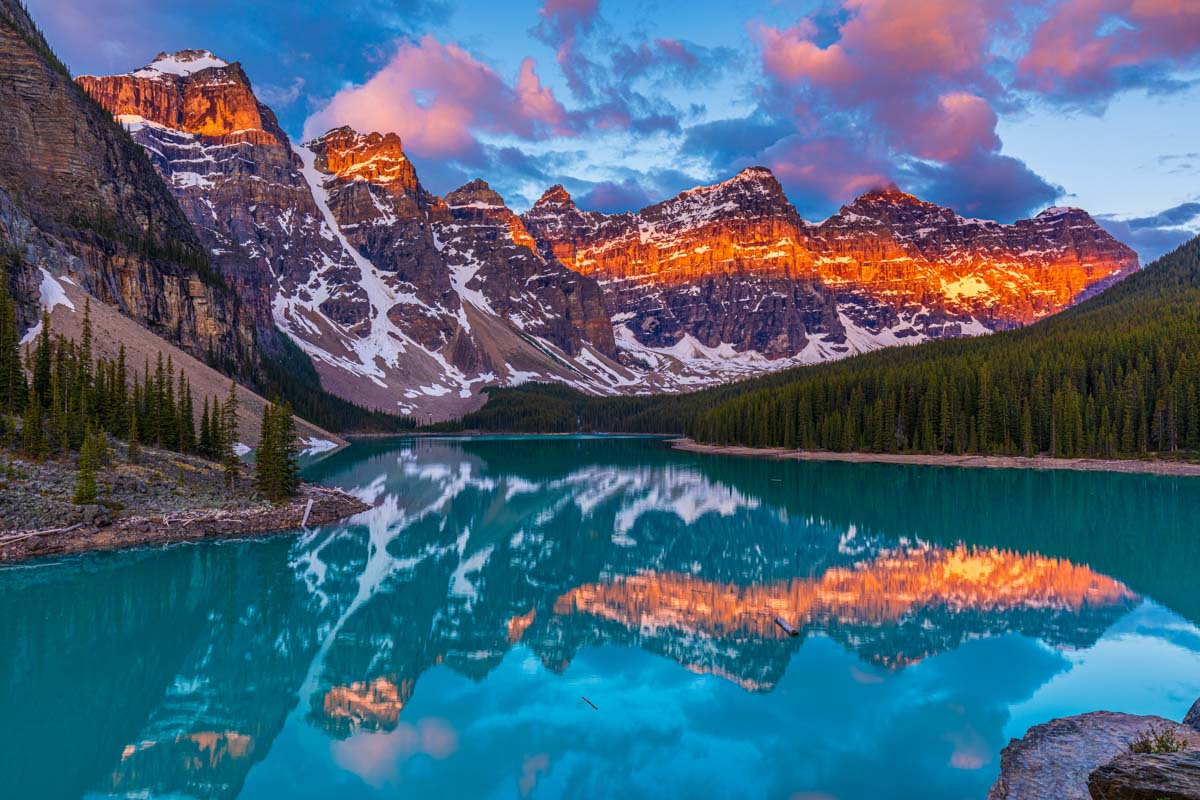
- 10 Days in the Canadian Rockies: The Ultimate Road Trip Itinerary
 by Julianna Barnaby on August 16, 2026 at 3:30 pm
Discover the beauty of the Canadian Rockies with this in-depth 10-day itinerary. A few years ago, I spent a blissful 6 months gallivanting around the… The post 10 Days in the Canadian Rockies: The Ultimate Road Trip Itinerary appeared first on The Discoveries Of.
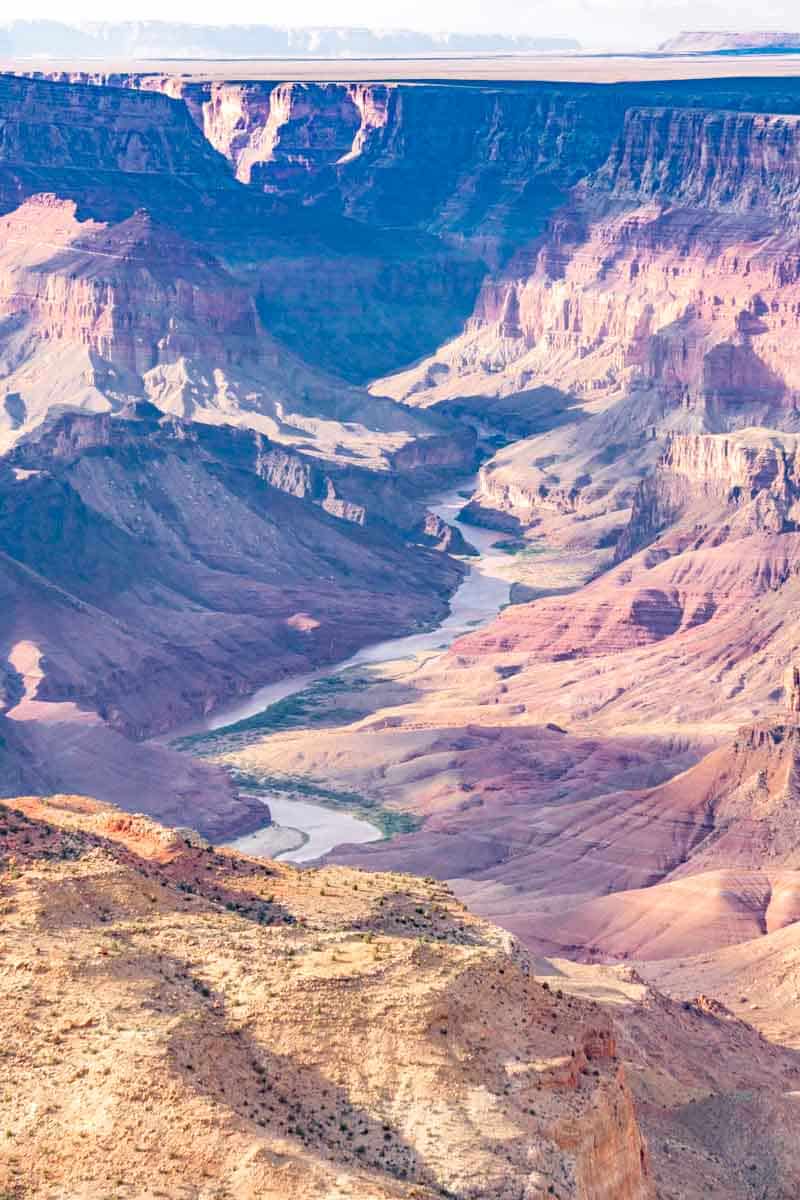
- The Ultimate Travel Bucket List: 100 Things To Do Before You Die
 by Julianna Barnaby on August 16, 2026 at 3:00 pm
The world is full of wonder and if you’re anything like me, you want to go out and explore! Check out my ultimate travel bucket… The post The Ultimate Travel Bucket List: 100 Things To Do Before You Die appeared first on The Discoveries Of.
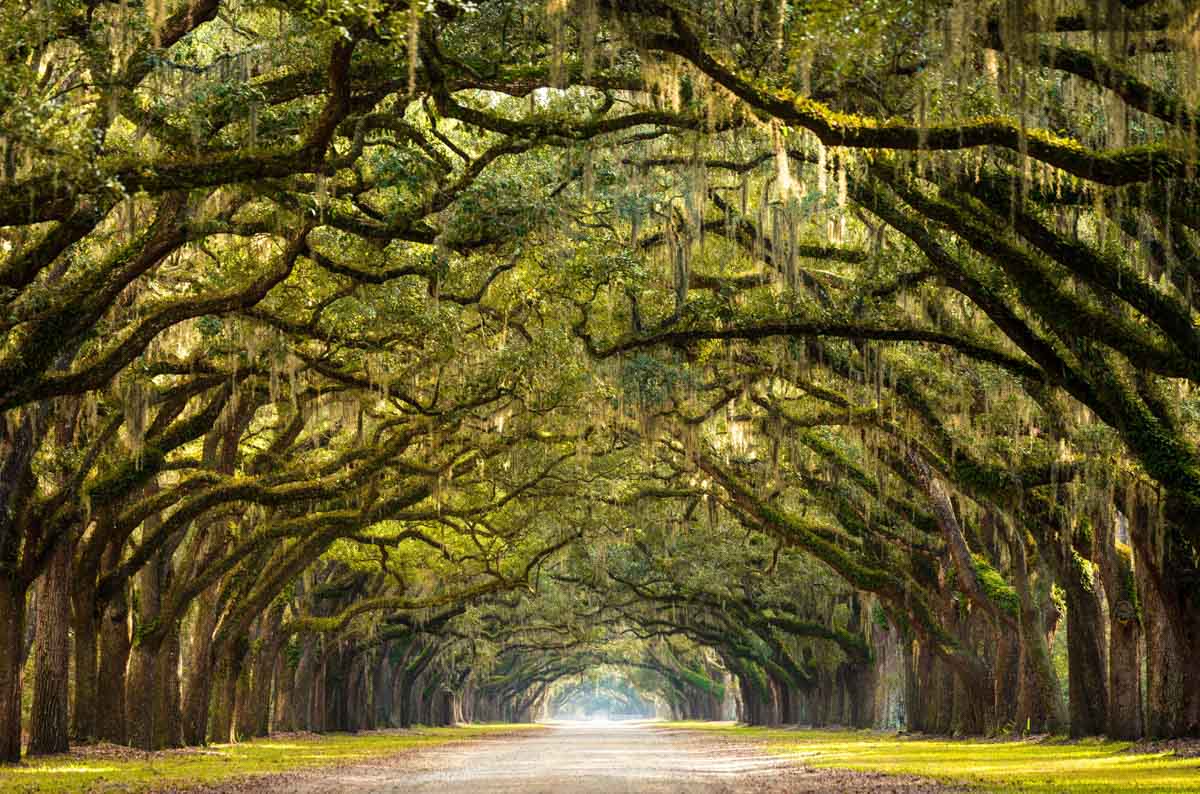
- 19 Beautiful Weekend Getaways on the East Coast of the USA
 by Julianna Barnaby on August 16, 2026 at 3:00 pm
Discover these gorgeous getaways on the East Coast of the USA that are perfect for a weekend break. If you’re reading this post, you are… The post 19 Beautiful Weekend Getaways on the East Coast of the USA appeared first on The Discoveries Of.
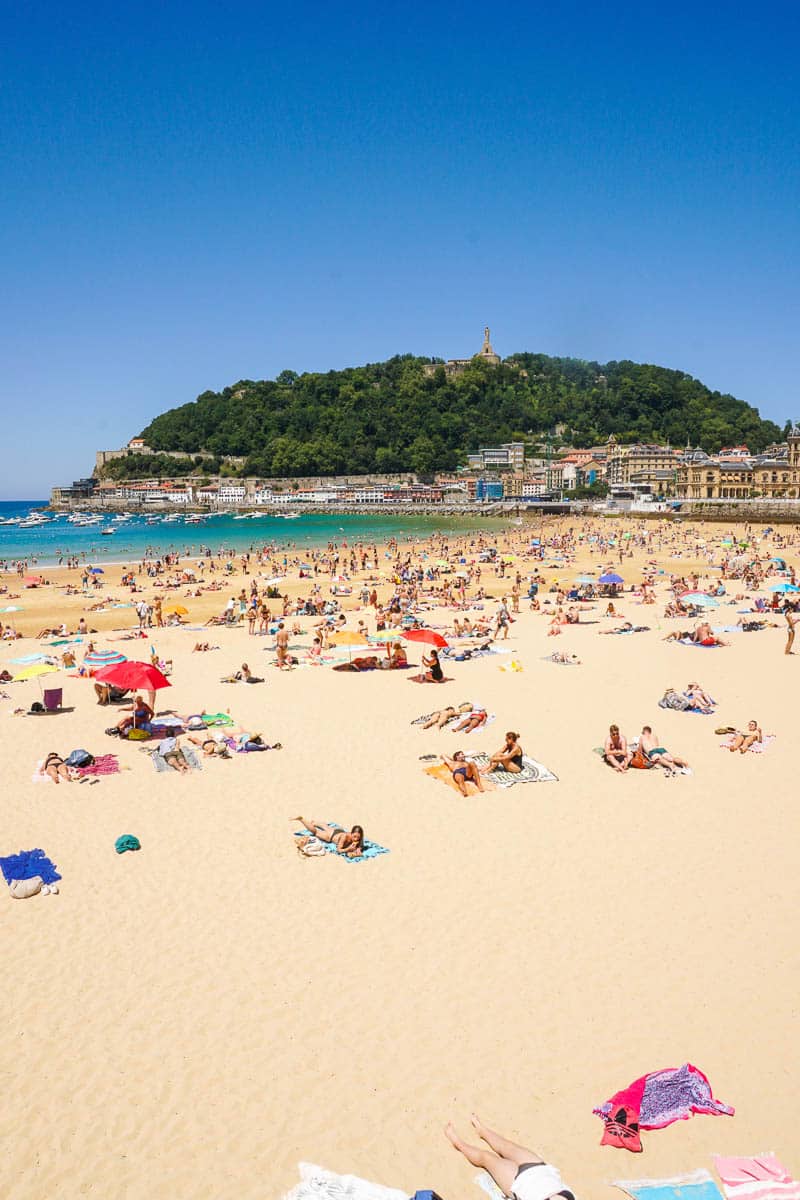
- Discovering the Best Beaches in San Sebastian
 by Julianna Barnaby on August 16, 2026 at 3:00 pm
San Sebastian might be most famous for its food, but its beaches are among the finest in Spain. Here’s my guide to the best stretches… The post Discovering the Best Beaches in San Sebastian appeared first on The Discoveries Of.
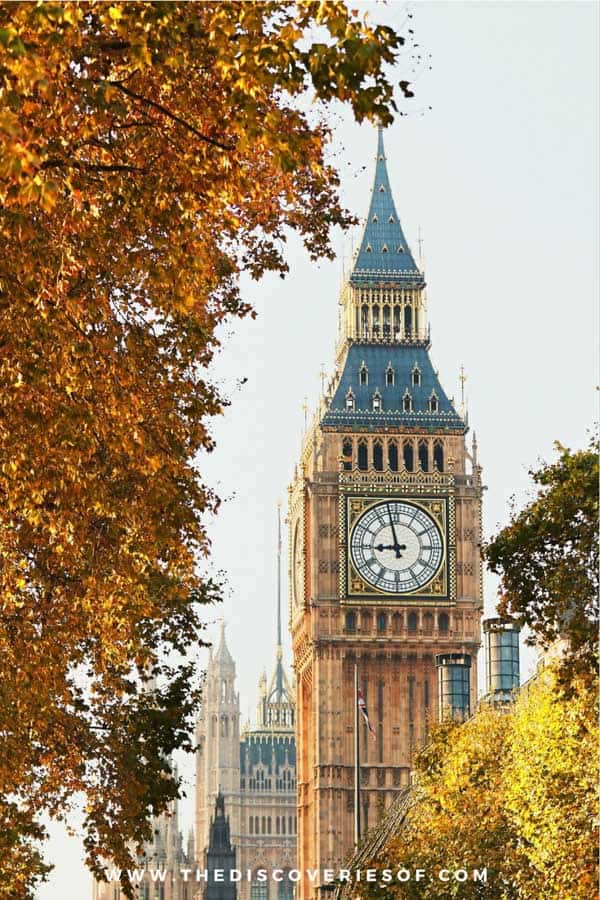
- The Ultimate Europe Travel Bucket List – 100 Incredible Places to Visit in Europe
 by Saffron Hooton on August 16, 2026 at 3:00 pm
Planning a trip to Europe? Get ready to adventure with the ultimate Europe bucket list. Your go-to guide to the top 100 things to do,… The post The Ultimate Europe Travel Bucket List – 100 Incredible Places to Visit in Europe appeared first on The Discoveries Of.
Wanderlust Wanderlust Magazine
- 6 reasons why Lemesos (Limassol) is the perfect year-round destination
 by Peter Moore on September 28, 2026 at 12:28 pm
Venture beyond the city to discover a region full of authentic villages, cultural heritage, natural landscapes, rich gastronomy and outdoor experiences, no matter the time of year
- The New Age of Expedition Cruising
 by Lyn Hughes on September 28, 2026 at 10:43 am
As expedition cruising evolves to offer more luxurious ships, new experiences and an ever-wider range of destinations, we explore how it is changing for the better and highlight the journeys transforming the way we see the world
- 27 incredible expedition cruises
 by Wanderlust Team on September 24, 2026 at 5:17 pm
Venture where you never thought you could on some of the world’s most exciting new expedition cruises
- Discover the creativity of Darwin and beyond
 by Wanderlust Team on September 22, 2026 at 9:33 pm
From contemporary art to works that stand the test of time, get to know the culture and creativity in the Northern Territory’s capital and Indigenous heartland of Central Australia
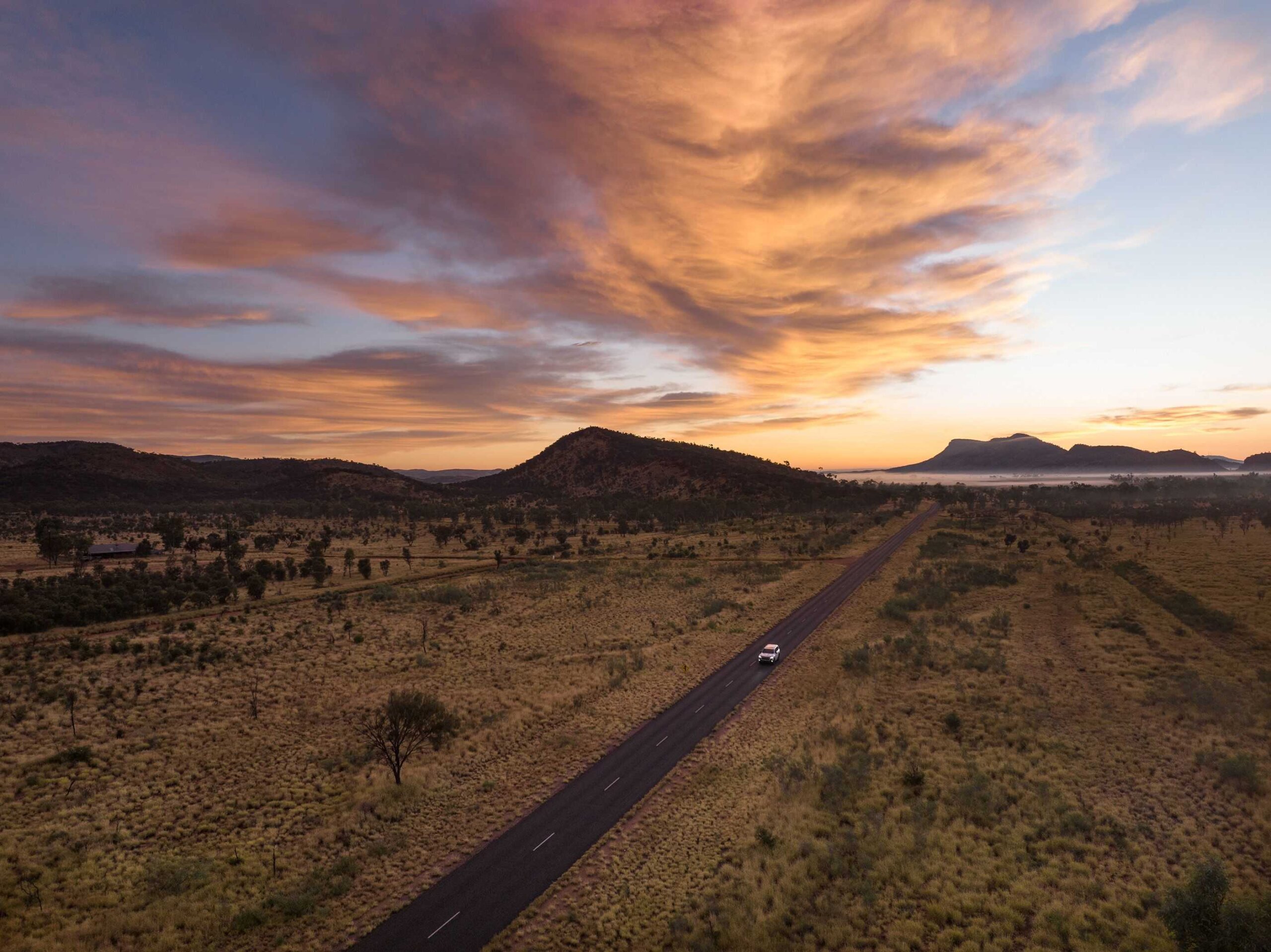
- Hit the road: A guide to exploring the Northern Territory by car
 by Team Wanderlust on September 22, 2026 at 9:24 pm
Whether you’re in a campervan, a car or a 4WD, the options for adventure are endless. Here in the Territory, the roads spool out to the horizon, the wildlife is prolific and the landscapes are incredible
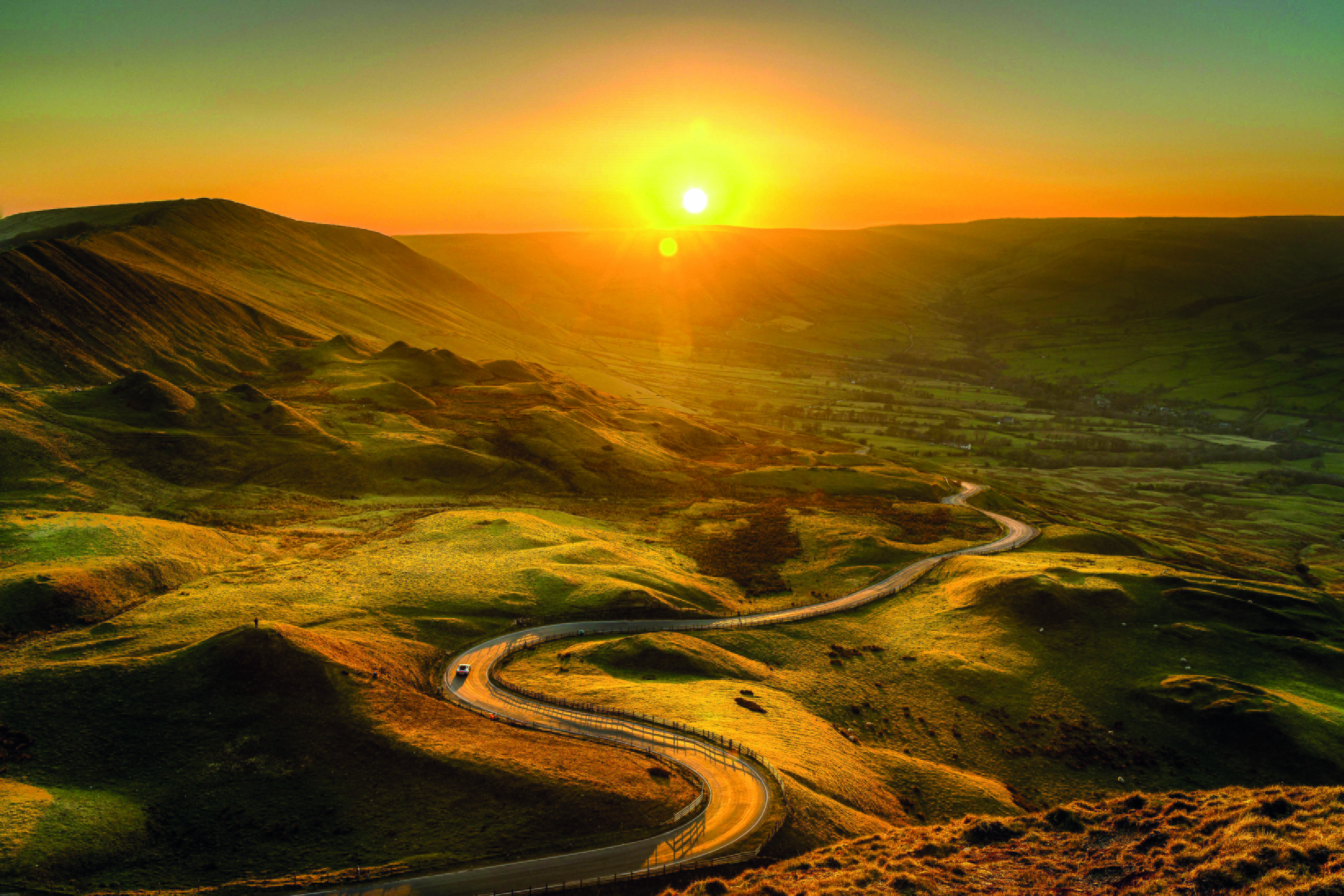
- British Break: Peak District
 by Graeme Green on September 21, 2026 at 3:51 pm
As Britain’s first national park marks its 75th anniversary, Graeme Green celebrates the landscapes, trails, history and villages that made the Peak District worth fighting for
Nomadic Matt’s Travel Site Travel Better, Cheaper, Longer
- Holafly Plans: The Best eSIM Plan for Long Term Travelers
 by Matthew Kepnes on July 28, 2026 at 4:40 pm
There are a lot of eSIM companies in the world. They all work a similar way: you download their app, pick your package, install the eSIM into your smartphone, and off you go. There’s many I like. But one I like more than the rest is Holafly and I’ve been using their eSIMs for years…. The post Holafly Plans: The Best eSIM Plan for Long Term Travelers appeared first on Nomadic Matt’s Travel Site.
- Nomad Citizen: A New Social Safety Net for Entrepreneurs
 by Matthew Kepnes on June 18, 2026 at 12:07 pm
If you’re a digital nomad or a location-independent business owner, you’re either overpaying for fragmented insurance coverage (travel, medical, etc.) or just badly underinsured. You have a health plan, travel insurance, and maybe some medical evacuation coverage. But, when you work for yourself, you lack the kind of safety net protections you get with a… The post Nomad Citizen: A New Social Safety Net for Entrepreneurs appeared first on Nomadic Matt’s Travel Site.
- Faye Travel Insurance: The Best New Company Out there
 by Matthew Kepnes on June 3, 2026 at 1:05 pm
We may receive compensation from Faye as an advertising partner. However, this does not influence our evaluations. Our opinions are our own. I’ve been writing about travel for nearly two decades and, in that time, I’ve watched the travel insurance industry change at roughly the speed of a glacier. For years, the pitch was always… The post Faye Travel Insurance: The Best New Company Out there appeared first on Nomadic Matt’s Travel Site.
- Madrid 5-Day Itinerary: A Guide to Culture, Gastronomy, and Local Life
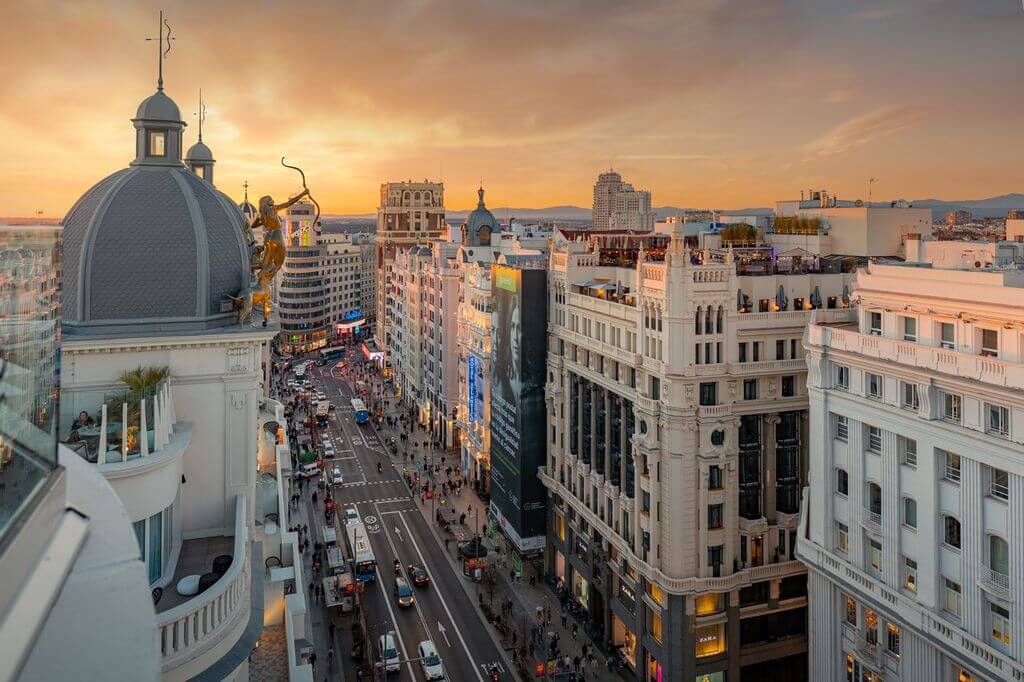 by Matthew Kepnes on May 6, 2026 at 7:50 am
Home to some 3.5 million people, Madrid is the capital of Spain and the country’s largest city. Though it’s somewhat sprawling, the city boasts stunning architecture, incredible food, and an energetic nightlife that stretches until dawn. Over 10 million people visit the city each year, and the minute you step out to explore, you’ll understand… The post Madrid 5-Day Itinerary: A Guide to Culture, Gastronomy, and Local Life appeared first on Nomadic Matt’s Travel Site.
- Capital One Venture Business Card Review
 by Chris Oldfield on May 1, 2026 at 3:30 pm
If you’re a traveler like me, chances are you’re always on the lookout for ways to make your trips more affordable. That’s why I collect points and miles: they help me lower my travel costs so I can spend my money on what’s actually important…which is usually booking more trips! One card that can help… The post Capital One Venture Business Card Review appeared first on Nomadic Matt’s Travel Site.
- Outsite Review: The Best Place to Stay for Digital Nomads
 by Matthew Kepnes on April 24, 2026 at 7:38 am
Balancing travel and remote work will always be one of the biggest challenges on the road. When you’re a digital nomad, it’s always a struggle to balance sightseeing and also get your work done in a nice, quiet environment. No one wants to spend hours searching for a coffee shop or be in one that… The post Outsite Review: The Best Place to Stay for Digital Nomads appeared first on Nomadic Matt’s Travel Site.
Atlas Obscura – Latest Articles and Places New wonders and curiosities added to the Atlas.
- Wahpper: The World’s Largest Catfish in Wahpeton, North Dakota
 on September 28, 2026 at 8:00 pm
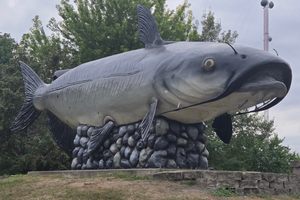
Where the Bois de Sioux and Otter Tail rivers merge in southeastern North Dakota, the Red River of the North begins its winding trek northward into Canada. The river is renowned across the continent as an angler’s mecca for trophy channel catfish—monsters that draw fishermen hoping to reel in record-breaking river beasts. In Wahpeton, however, the biggest catch in town isn’t lurking beneath the murky current; it rests firmly on dry land. Behold Wahpper, an undeniable titan of roadside Americana. Stretching 40 feet long, standing 12 feet tall, and tipping the scales at 5,000 pounds (2.5 tons), Wahpper holds court as theworld’s largest catfish sculpture. His moniker is a cheeky portmanteau honoring both his hometown of Wahpeton and the classic fishermen’s brag: an undeniable whopper. Wahpper is the brainwork of celebrated fiberglass sculptor Dave Oswald, whose monumental wildlife and livestock landmarks populate the upper Midwest—including New Salem’s towering dairy monument, Salem Sue. Wahpper was brought to life in 1997 through a joint effort between local businesses, the Wahpeton Park Board, and the Wahpeton Visitors Committee, at a cost of roughly $12,000. When the behemoth was unveiled on August 3, 1997, hundreds of residents gathered in celebration, naturally marking the momentous occasion with a community fish fry. The Fish That Swims Every Spring While Wahpper was bolted to a permanent concrete pedestal along the riverbank to remain high and dry, nature regularly has other plans. The Red River of the North is notorious for aggressivespringtime swelling during the regional snowmelt. When the river breaches its banks, water routinely rises up to encircle Wahpper’s pedestal. For afew days each spring, the giant fiberglass predator looks remarkably at home, appearing toeffortlessly cruise through the submerged floodplain as if reanimated. A Friendly Clash of Titans Wahpper’s title as “World’s Largest” is not entirely without friendly contestation. Roughly 900 miles eastward across the Canadian border, the town of Dunnville, Ontario, hosts Muddy the Mudcat, a 50-foot-long fiberglass catfish built in 1983. However, while Muddy boasts a longer horizontal footprint and a whimsical, cartoonish caricature aesthetic, Wahpper remains the undisputed heavyweight champion in terms of volumetric scale, weight, and anatomical realism.
- Hood River Pumping Station and Pipeline Trail in Hood River, Oregon
 on September 28, 2026 at 6:00 pm
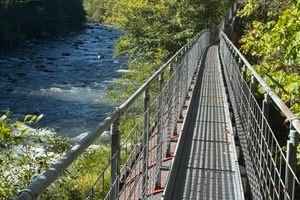
This is a place with two unique and magical places to see. The first, the abandoned Hood River Pumping Station, is at the parking lot to the Hood River Pipeline Trail. It is a decommissioned hydroelectric facility that used to supply electricity to Hood River, Oregon from 1923 until 2006. It was shut down after a 2006 flood destroyed the dam upstream. The pumping station building is still open and is now a graffiti-covered ruin with smashed windows, broken glass everywhere, and a few openings in the floor. The site is popular with urban explorers. The pumping station is the trailhead for the Hood River Pipeline Trail. The trail is about 3 miles in total length (out-and-back) that first follows a trail and railroad tracks and eventually to a catwalk that takes you over the Hood River! Then it gets even better as the catwalk “climbs” into the trees and becomes an elevated walk through the trees next to the river. Old and abandoned pipe and pipe structures are along the trail and many have great graffiti.
- The Ivanhoe Clock in Leeds, England
 on September 28, 2026 at 4:00 pm
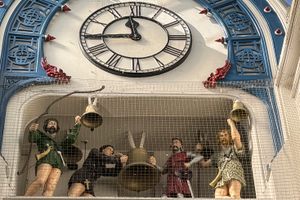
At one end of Thornton’s Arcade, beneath its elegant glass roof, four Victorian characters wait for their cue. When the clock strikes, Robin Hood, Friar Tuck, Richard the Lionheart, and Gurth the Swineherd spring into action, raising their fists to strike a bell. It is a wonderfully theatrical way to tell the time—and an unexpected spectacle in the middle of a shopping arcade. Installed in 1877, the clock was made by Leeds clockmakers William Potts & Sons, while the life-sized figures were created by local sculptor John Wormald Appleyard. Their subjects come from Sir Walter Scott’s Ivanhoe, the hugely popular 1819 novel that turned medieval England into a world of knights, outlaws, monks, and swineherds. Richard the Lionheart and Friar Tuck strike the hours, while Robin Hood and Gurth mark the quarters. Five bells, supplied by John Taylor of Loughborough, provide the soundtrack. The figures are technically faux jacquemarts: moving clockwork figures that appear to strike a bell, although the real bells are operated inside the mechanism. Whatever the technical distinction, watching four life-sized medieval characters punch the air to mark the time is considerably more entertaining than checking your phone. Thornton’s Arcade opened in May 1878 as Leeds’s first purpose-built shopping arcade. Today, its ornate architecture, independent shops, and eccentric clock offer a charming reminder that Victorian shopping could come with considerably more spectacle than window displays.
- Wild Bird Petroglyph in Phippsburg, Maine
 on September 28, 2026 at 2:00 pm
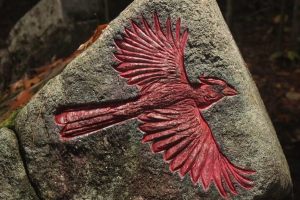
Inspired by the natural environment in Phippsburg, there are a series of petroglyphs in the deep woods near the Center Ponds Trailhead located at 125 Parker Head Road. This site has one of Kevin’s largest collections of petroglyphs to date, with over ten different carvings displaying creatures and scenes that could take place in the area. Intended to reflect the environment surrounding the stones, the carvings, which are embellished by trails on the Phippsburg Land Trust, display an array of photorealistic images of remarkable life-sized birds native to the region. On display are the great blue heron, the cardinal, the tree swallow, the thrush, the loon, and others. In certain areas, you can catch animals engaging with each other, birds chasing dragonflies or geese taking flight. Along the trail, a mars helicopter and a zumwalt destroyer can also be found, repetitive themes that makes Kevin’s work identifiable as these images are revisited across sites. On short glance, you might mistake a carving for a real bird. There is a sense of action in these petroglyphs. Walking through, it will feel as if these creatures are in motion, ready to fly off the rock. Sudeith creates time capsules, capturing the activity surrounding the rocks in a language that will forever be digestible to those who come across it.
- Is Alton, Illinois America’s Most Haunted Small Town?
 by The Podcast Team on September 26, 2026 at 1:15 pm
Listen and subscribe on Apple Podcasts, Spotify, and all major podcast apps. Troy Taylor: There’s a story about a phantom riverboat that I always liked, about how if you heard the riverboat whistle blow on a foggy morning but you never saw the boat, that meant that someone who worked down on the docks was going to die within the next seven days. Amanda McGowan: A lot of old waterfront towns really play up the quaint and cutesy factor, you know, with a brunch cruise on a steamboat or something like that. But in Alton, Illinois, the vibe is a little bit more Widow’s Bay. Troy: Now, I don’t know how this story got started. There are rumors that it got started because of a riverboat that disappeared one year, but nobody knows for sure. Amanda: It makes sense. Alton is on the Mississippi River, which was the lifeblood of the city for much of its history. But the Mississippi is pretty unpredictable and it was often dangerous. Shipwrecks were really common. One stretch of the river in Southern Illinois was known as the graveyard because so many ships were lost there. Troy: The depths are always changing and they didn’t have depth finders and radar and GPS and things. And so, you know, people were dying on a regular basis on that river. And that’s a lot of stories. That’s a lot of ghost stories. Amanda: Today, Alton doesn’t depend on the river like it used to, and shipwrecks are, of course, a lot less common. But in Alton today, ghost stories still rule the day. Troy: I will say we are the most haunted small town in the Midwest. Absolutely. And one of the most haunted small towns in America, for sure. Amanda: I’m Amanda McGowan, and this is Atlas Obscura, a celebration of the world’s strange, incredible, and wondrous places. Today’s episode was brought to you in partnership with Enjoy Illinois. And today we’re going to Alton, which has been called the most haunted small town in America. It’s a place where practically every building has its own ghost story. And bubbling underneath all this lore is the fascinating history of a town shaped by the wild and unpredictable waters of the Mississippi River. We’ll explore some places with their own ghostly lore, and we’ll learn how these stories are helping to keep the history of the city alive. Or should I say, undead. This is an edited transcript of the Atlas Obscura Podcast: a celebration of the world’s strange, incredible, and wondrous places. Find the show on Apple Podcasts, Spotify, and all major podcast apps. Troy: We love history. That’s the thing. Without history, we wouldn’t have all our ghost stories. Amanda: Alton, Illinois has become a destination for fans of the eerie, creepy, and weird. It’s home to one of the oldest Halloween parades in the country, which started back in 1916. And there’s no shortage of allegedly haunted places. There’s the Old Mill Company, where the owner can still be sensed checking up on his employees. There’s the First Unitarian Church, which is haunted by a troubled minister from the past. Or the Mineral Springs Hotel, this old 1920s resort where the former guests never exactly check out. if you know what I mean. But one of Alton’s most notorious sites is actually a little under the radar. It’s a parking lot right along the riverfront behind a row of industrial warehouse buildings. Troy: It can be an eerie spot at night. I still hear ghost stories. Amanda: This is Troy Taylor. He’s the author of Haunted Alton, the host of the American Hauntings podcast, and he also owns the American Oddities Museum in town. Troy: In fact, the very first ghost story anyone ever came into my bookstore to tell me was from a guy who did not know what the parking lot was and was walking his dog there one night and said that a man had approached him, was walking toward him, said he was dirty and torn up ragged clothes and everything was walking toward him. And his dog started barking at this guy. He said, he reached down to just sort of, grab ahold of his dog’s collar because he was really upset. And he reached down and then he said he looked up to apologize to the man and he was gone. It freaked him out so much that he just took his dog and went home and told his wife that he thought he’d seen a ghost. And she says, “Where was it?” And he explained and she said, ”Oh gosh, that’s where the prison was.” Amanda: Before this area was a parking lot, it was a penitentiary, actually the first penitentiary in Illinois. This system, the penitentiary system, was supposed to be a more humane form of punishment. We’ve done an episode more in depth on this in the past called Eastern State Penitentiary, which I’ll link to in the episode description. But it did not work out as planned. Very quickly, the Alton prison became overcrowded and flooding and poor drainage from the river led to all of these sanitary issues and disease outbreaks. Troy: The conditions were pretty awful. Not a lot of the money went into the food or the health care or the clothing. It went into people’s pockets instead. So the place was always pretty miserable anyway. And so there was a lot of death and things at the penitentiary for the first 20 years or so that it was open. Amanda: The state actually closed the facility in 1860. But shortly afterward, the Civil War broke out. And suddenly there was this crisis around where to house prisoners of war and defectors from the Union Army. Alton was a pretty convenient spot because men could just be shipped upriver from the battlefields down south. So the prison was reopened. Troy: And then things got really, really bad because it was so overcrowded, conditions no better than they were before. And then a smallpox epidemic broke out the following summer after they reopened. And they buried the bodies of a lot of the dead within the prison grounds because they couldn’t take the bodies out because they were contagious and then never moved them. So they left a lot of them there on the grounds in downtown Alton where the penitentiary was. And, you know, even after they closed the penitentiary, the bodies were left there. Amanda: They moved the cemetery, but they didn’t move the bodies, did they? As they say. After the war, the prison was closed once again. But over time, the surrounding land was converted into a public park, and the stones of the old prison got dragged away and reused in other construction projects. Troy: The rest of it was just left to decay. And that’s when the ghost stories really got started, was after the war in the 1870s. I’ve got newspaper articles that I’ve collected where people were talking about seeing and hearing ghosts and things out there. And then eventually they tore it down and turned it into a parking lot. And it’s still a parking lot to this day. Amanda: Today, there is a small marker on the edge of the lot made of remaining stones from the penitentiary. But most visitors probably pass by this parking lot without paying it much notice—unless they’ve come specifically to see a ghost. We’re going to take a quick break, but after this, we’ll visit a small spit of land that is slowly being eaten away by the Mississippi River, which would be pretty convenient for a certain Abraham Lincoln, who almost killed somebody here. Troy: He was embarrassed of it his entire life. Amanda: Today, the place once known as Bloody Island is not much of an island anymore at all. The shifting tides of the Mississippi River have over time reconnected this bit of land to one side of the river and washed away the rest of it. But back in the 1800s, this was an island right off the coast of Alton. The island was technically in between state lines between Illinois and Missouri, which made it a kind of no man’s land. It was a place where you could go to do things that were not quite approved by society—like having a duel. Troy: It was illegal in both states to duel, but because you were in that kind of shaded gray area, you could get away with it. Amanda: We’ve done a more in-depth episode on the dueling history of the island. I will link in the episode description. But just a few quick and relevant incidents. Early on in his political career, long before he was president of the United States, Abraham Lincoln had quite the dust up on Bloody Island. It was back when he was still a lawmaker in the Illinois Statehouse. The state was going through an economic crisis, and Lincoln did not approve of the way that the ruling Democratic Party was handling it. So he and his then-fiancé, Mary Todd, started to write these letters to a local paper under a pen name, Rebecca. The letters were directed at the state’s auditor, James Shields, and they were pretty insulting. And Shields was not very happy about this. Troy: So he challenged him to a duel and they went out there to the island Lincoln, because he was the one challenged, got to pick the weapons, and so Lincoln picked broadswords. And Lincoln, 6’4”, long, gangly arms, James Shields, an average-sized guy, so he’s like 5’7”. So Lincoln picks these bladed swords, and he stands, you know… a foot taller than this guy with these long arms. And Shields took one look at this and went, that’s a terrible idea. And they patched things up. And so there was no duel. Amanda: The two actually went on to make up, but Lincoln was not exactly proud of this behavior. Troy: He was embarrassed of it his entire life. Amanda: Reportedly, when he was asked about it later at the White House, Lincoln said, “I do not deny it, but if you desire my friendship, you will never mention it again.” But even after dueling fell out of fashion, the island had this fascinating and sometimes a bit gruesome afterlife. This prominent local family called the McPikes built a summer cottage on the island. But then in the 1860s, when the smallpox epidemic broke out at the Alton Penitentiary, this little summer cottage was reappropriated into a kind of quarantine hospital. Troy: They used the cottage to treat the sick. And then anybody that was close to death, they just took them out there. And I think it was kind of like, okay, well, if you’re going out to that island, you ain’t coming back, you know? And they just buried them out there when they died and left them after the war. And most of them, the bodies, a lot of them washed away during various floods. Amanda: Troy writes in his book Haunted Alton that local residents began avoiding the island in the late 19th century, in part because of rumors of ghosts that wandered the grounds. Today, the geography of the island is very different thanks to years of flooding and various damming projects. But today this is a recreation site. It’s even named after the infamous Lincoln incident. It’s called the Lincoln Shields Recreation Area, which I’m sure Lincoln would have loved. One final ghost story I’ll tell today is a little bit about ghosts, but a lot about the community of ghost enthusiasts who have really adopted Alton over the years and embraced the city’s allegedly haunted past. I mentioned the McPikes before. That was the local family who built a summer cottage on Bloody Island. After the Civil War, the family ended up building a much bigger mansion elsewhere in Alton. Henry McPike was a real estate developer and former mayor of the city, but his real love was wine and growing grapes. So he made sure to build a large wine cellar in his mansion. But after McPike died, the house just could not find a long-term stable owner. Troy: The house went through several different families and then eventually was just abandoned and sat empty for years and got a reputation. As an abandoned house that looks like the Adams family mansion will do in any town, it got a reputation for being haunted. Amanda: The future of the McPike mansion looked pretty dicey. In the 1980s, it was going to be torn down and replaced with a shopping mall. And it actually ended up on a list of the 10 most endangered historic properties in America. But then in the 90s, a couple named the Luedkes stepped in. Sharon and George Luedke bought the house thinking that they would fix it up and turn it into a historical bed and breakfast. But as it turned out, the amount of work and renovations that the house needed to stay upright was just too much. And grants and funds to help preserve the property would just not cover the cost. So they leaned into the house’s reputation and they started to hold ghost tours there. Today, these have become really popular, there’s even overnight versions. And paranormal enthusiasts with their ghost detecting equipment descend on the mansion, and in particular, the wine cellar, to try to pick up evidence of Henry McPike and the other residents of the house. Today, the McPike mansion frequently makes lists of the most haunted houses in America. Troy says at first he was a little skeptical. Troy: I think it was more of a case of it just looked like a haunted house and kids broke in and tore things up and vandals got in there. And it became the local haunted house. And again, in air quotes. But I think there was something to it. I mean, I’ve had my own experiences in this house over the years when I’ve had chances to be inside. I don’t think it’s anything malevolent or anything. I think it’s a family that really loved that house and are still there. But I do think there’s something to it. Amanda: Maybe you’ll see a ghost in Alton. Maybe you won’t. But however you feel about the paranormal, Troy tells me that in this city, ghost enthusiasts are helping to preserve the local history and make sure that it doesn’t fade away. Troy: We love history. That’s the thing. Without history and without these cool locations and historic spots, we wouldn’t have all our ghost stories. So we want to support that kind of stuff. We get together, we support the weird locations and even the not so weird locations, you know, the battlefields and the old houses and you name it—and that’s our thing. Our podcast is a co-production of Atlas Obscura and Sirius XM Podcasts. The production team for this episode includes Dylan Thuras, Kelly McEvers, Doug Baldinger, Kameel Stanley, Johanna Mayer, Manolo Morales, Jerome Campbell, Alexa Lim, Casey Holford, and Luz Fleming. Our theme music is by Sam Tindall.
- First Bank of Murphy in Murphy, North Carolina
 on September 25, 2026 at 8:00 pm
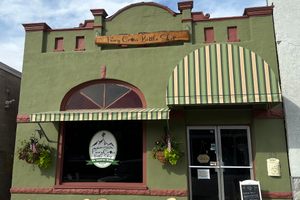
Welcome to one of Downtown Murphy’s oldest buildings and quite possibly one of its most colorful. This was once the Bank of Murphy, established on January 16, 1899. Today, it’s home to FairyCross Bottle Shop. Apparently, after more than a century, this building decided it had earned the right to stop dealing in money and start dealing in wine. Before you head inside, take a good look at the marble steps. Notice how worn they are? Those aren’t just scratches and weathering. They’re the footprints of history…literally. For decades, thousands of customers, bankers, shopkeepers, and assorted characters walked through these doors, slowly wearing down the marble beneath their feet. The building is one of the oldest surviving commercial structures in downtown Murphy. Its original brick façade was covered with stucco sometime in its long history, but many of its architectural details remain, including the graceful arched doors and windows and the original marble threshold. When the Bank of Murphy opened its doors in 1899, A.F. Dickey was president, A. McD. Harshaw was vice president, and Luke Bayless served as the bank’s first manager and cashier. Bayless was credited with helping make the bank successful through his financial knowledge and sound business judgment. And then, just five years later, someone decided to put that sound financial institution to a rather explosive test. On September 9, 1904, burglars broke into the bank and blew open the vault. They made off with more than $4,000, a considerable fortune at the time, and apparently left behind only a few pennies. The burglars were never caught. So, if you’re looking for the original Murphy mystery, you’ve found it: Who blew up the bank, where did they go, and what happened to all that money? The case remains unsolved more than 120 years later. Small-town history apparently comes with its own cold cases. But the building has another curious secret. When it was originally constructed, a dragon adorned the edge of the roof, appearing to peer down at pedestrians below. In classical architecture, mythical creatures such as dragons could serve as guardians of wealth and treasure. For a bank, the symbolism was particularly appropriate: strength, security, and a very clear message to potential burglars—we have a dragon. Unfortunately, the dragon eventually disappeared from the roof. Fortunately, it wasn’t lost to history. Today, the creature is preserved and on display at the Cherokee County Historical Museum, just a short walk away in Downtown Murphy. The building continued to operate as a bank until the 1920s. After that, it went through a remarkable succession of identities, becoming home to an ice cream parlor, retail stores, a hair salon, and a travel agency. And then came wine. Since 2023, the building has been home to FairyCross Bottle Shop, a wine and specialty food shop that has given this very old building a decidedly more convivial second, or perhaps sixth, act. The shop takes its name from fairy crosses, naturally occurring crystal formations found in this part of Western North Carolina. Local folklore considers these tiny, cross-shaped stones sacred and magical. Every so often, a local will bring some into the shop, where they are given to someone who happens to be going through a difficult time. There’s just one condition: make a wish. It seems fitting that a building with a dragon on its roof, a history of bank robbers, and more than a century of stories should now have a little magic inside it, too. Think about that for a moment: a building that began by safeguarding people’s money, survived a vault explosion, lost a dragon, hosted an ice cream parlor and a hair salon, and eventually became a place where people gather to drink wine…and, occasionally receive a tiny magical crystal and a reason to make a wish. Not a bad retirement plan for a 125-year-old building. So next time you’re standing outside, take another look at those worn marble steps. Imagine the bankers, customers, burglars, shoppers, beauticians, travelers, and everyone else who crossed that threshold over the decades. The building has witnessed fortunes being made, fortunes being stolen, businesses coming and going, and Murphy itself changing around it. And somehow, through it all, it’s still here. These days, you just have to walk through the old bank doors and ask for a glass of wine, and maybe make a wish.