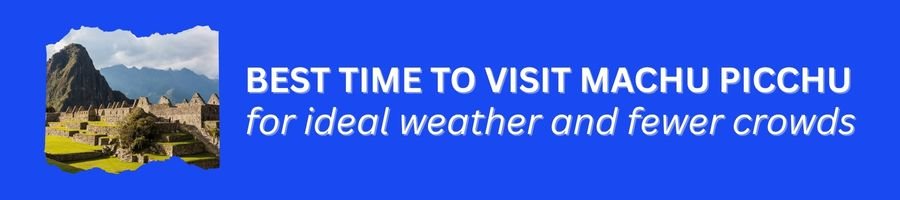
If you’re wondering about the best time to visit Machu Picchu, then this article is for you.
With a trip to Peru’s legendary Machu Picchu, timing really matters if you want the best experience. Weather, crowds, and the quirks of the seasons can totally change how your visit feels at this ancient site high in the Andes.
The best months to visit Machu Picchu are April, October, and November. You’ll hit that sweet spot of good weather and fewer crowds than during peak season.
These shoulder months usually mean clearer skies and a more relaxed vibe, without the worst of the rainy season.
It’s worth wrapping your head around the wet and dry seasons before you go. The dry season from May to September draws the biggest crowds but rewards you with those classic, clear Andean views. The wet season, on the other hand, is quiet and peaceful, but also moody, with unpredictable weather that can hide the mountain scenery.
- April, October, and November usually mean great weather and manageable crowds
- The dry season has the best visibility, but also the most visitors
- Book tickets months ahead because daily visitor numbers are tightly limited


Understanding Machu Picchu’s Seasons and Climate
Machu Picchu sits at 2,430 meters up in the Peruvian Andes, and the weather up there really shapes your visit. The site rides a fine line between two main seasons, and the microclimates can keep you guessing.
Overview of Dry and Rainy Seasons
Machu Picchu has two seasons that set the tone for your trip. The dry season runs April to October, and the rainy season takes over from November through March.
During the dry months, you can expect lots of blue sky and hardly any rain. Hiking and taking photos feels easier, but you’ll be sharing the trails with plenty of others, especially June through August.
Once the rains arrive, the Sacred Valley goes wild with green. Showers are frequent but don’t usually last all day. The landscape turns lush and a bit mysterious, and you’ll notice way fewer tourists around.
- Dry Season: Clear skies, warm days, cold nights, peak tourism
- Rainy Season: Frequent showers, mild temps, fewer crowds, green scenery
February is the rainiest month, and the Inca Trail shuts down for maintenance. March is a bit of a wildcard as the rains start to ease off.
Weather Variability and Microclimates
The mountains around Cusco create some wild weather swings, even over short distances. Machu Picchu itself sits in a cloud forest, so the weather can flip fast.
Most mornings, a mist hangs over the ruins, but it usually lifts for those big mountain views. Afternoons often bring clouds, even in the dry season. Day and night temperatures can swing by 20°C or more.
- Altitude: Higher spots get colder
- Valley Position: The citadel’s location softens some weather extremes
- Mountain Barriers: Peaks around the site shape wind and rain patterns
The Sacred Valley below often feels different from the ruins up top. It’s not unusual to run into several types of weather in a single day.
Cloud cover changes with the seasons. Rainy months bring more fog and mist, which can be magical for photos but might block your view.
Average Temperatures and Precipitation
Temperatures stay pretty steady all year, thanks to Machu Picchu’s tropical mountain spot. Highs usually hit 20-24°C during the day, but nights can dip to 6-10°C.
| Season | Daytime High | Nighttime Low | Rainfall |
|---|---|---|---|
| Dry (Apr-Oct) | 20-24°C | 6-8°C | 25-75mm |
| Rainy (Nov-Mar) | 18-22°C | 8-10°C | 150-200mm |
The dry season has the best weather and very little rain. June through August are especially dry, sometimes with less than 25mm of rain a month.
January and February bring the most rain—over 180mm per month isn’t unusual. Most of it falls in the afternoon or evening, not as endless downpours.
Humidity stays high all year in this cloud forest. Expect morning dew no matter when you go, so waterproof shoes are a must if you’re heading out early.
Choosing the Best Time to Visit Machu Picchu
The dry season from May to September has the clearest skies but also the biggest crowds. The rainy season means fewer tourists and lower prices, but you’ll deal with some showers.
Peak Season Advantages and Challenges
June through August is the busiest stretch at Machu Picchu. The dry season brings reliable weather and cool nights, which is perfect for hiking the Inca Trail.
You’ll get crisp views of the ruins and dry, safe hiking paths. But you’re not the only one with this idea—everything books up early, from entrance tickets to trains and hotels.
July is especially crowded, so you should be planning well in advance.
- Accommodation costs more
- Viewing spots get packed
- Tickets can sell out
- Trains are busier
June brings the Inti Raymi festival in Cusco, which is an incredible experience but makes things even busier. Nights get pretty chilly in these months, especially up high.
Shoulder Season Benefits
April, May, September, and October are the best months for most travellers. These months usually have great weather and smaller crowds.
April is when the rains fade and things start to dry out. Everything’s green from the wet season, but the crowds haven’t arrived yet.
May is about as good as it gets—hardly any rain and beautiful mountain views. The light is fantastic for photos, and it’s not too busy.
September and October are still mostly dry, but the crowds thin out. Hotels get cheaper, and it’s easier to snag tickets. By late October, you might get a few showers, but nothing major.
- Rooms are more affordable
- Tickets are easier to get
- Weather is pleasant
- Lines are shorter
Off-Season Experience
November through March is the rainy season, and Machu Picchu feels way quieter. Rain turns the Sacred Valley into a green wonderland.
If you’re travelling on a budget, this is your time. Hotels drop their prices, and tours go on sale. Fewer people will mean you can really soak in the atmosphere.
February is the wettest month, and the Inca Trail is closed for repairs. But if you’re up for it, other treks like Salkantay are still open.
Misty mornings can make for some dramatic photos. Sometimes the fog lifts and you get those wow-worthy views.
- Waterproof gear is a must
- Transport delays happen
- Trails get muddy
- Visibility drops during storms
December and January still have plenty of sunny breaks between showers. Cusco feels festive during the holidays, which adds a nice touch.
Month-by-Month Guide to Visiting Machu Picchu
Machu Picchu’s two main seasons create very different vibes through the year. Dry months mean crowds and clear skies, while rainy months bring peace and unpredictable weather.
Highlights of Each Month
January is the wettest time at Machu Picchu. Expect muddy trails and the occasional transport hiccup. Still, the site stays open, and the fog can make for some hauntingly beautiful photos.
February keeps the rain coming, with frequent heavy showers. The Inca Trail is closed for maintenance, but you can try other routes. Clouds often block the view, so be ready for that.
March is when the rain starts letting up. Showers aren’t as bad, and the valley is at its greenest—honestly, the views are hard to beat.
April kicks off the dry season. Skies clear up, hiking gets easier, and the landscape is still lush. You might get a stray shower early in the month, but it’s usually mild.
May is a dream for trekkers—dry trails, little rain, and those epic green backdrops. The light’s great for photos, too. Bring your camera!
June signals the start of high season. It’s reliably dry and sunny, and Cusco goes all out for Inti Raymi on June 24. Nights can get pretty cold up at the ruins.
July is the busiest month. Days are clear and perfect for exploring, but crowds peak. Try going early or late in the day to dodge the biggest rush.
August keeps up the dry, cool weather. Skies stay clear, so it’s awesome for hiking and photos. Just make sure you’ve booked everything ahead of time.
September feels like a breath of fresh air after peak season. The weather’s still great, but the crowds thin out. Finding a place to stay or a train ticket gets a lot easier.
October wraps up the dry season. Fewer tourists and a laid-back vibe make it a solid choice. You might see more showers toward month’s end, but they’re usually brief.
November brings back the rain and the green. Showers pop up more often, but there are still good windows for sightseeing. Trails can get muddy, so pack solid waterproof boots.
December is a mix of sunshine and rain, with crowds at a comfortable level. You’ll still get plenty of clear days, and Cusco’s holiday spirit is infectious.
Crowd Levels Throughout the Year
Peak Season (June-August) brings the highest visitor numbers to Machu Picchu. July gets especially crowded, so you’ll need to book months ahead. Train tickets, entrance passes, and guided tours tend to sell out fast during this time.
Shoulder Seasons (April-May, September-October) offer a sweet spot for weather and crowd size. May through September has the best weather conditions, while April and October stay quieter. These months let you book with less advance notice.
Low Season (November-March) means smaller crowds but trickier weather. January and February see the fewest tourists because of heavy rain. If you’re on a budget, you’ll find better deals on hotels and tours.
Festival Impact can shake things up, especially during Inti Raymi in June. Cusco and the Sacred Valley get busy when major celebrations happen. Festivals bring unique experiences, but you’ll need to plan ahead for everything.
Weather Shifts by Month
Rainy Season (November-March) turns the region lush and green. Rain peaks in January and February, with afternoon showers almost every day. Mornings are usually clearer, so early visits work best before the clouds roll in.
Dry Season (April-October) means clear skies and hardly any rain. May to September gives you the most reliable weather for outdoor adventures. Nights get pretty cold, especially up in Cusco and the higher spots.
Transition Periods happen in March and November as the seasons shift. March slowly dries out, while November brings more rain. Weather can surprise you, but sometimes it’s just lovely.
Temperature Patterns don’t change much year-round since you’re close to the equator. Days hang around 15-20°C, but nights can dip to 5°C or lower. Cusco and Machu Picchu sit at different heights, so microclimates pop up all over the Sacred Valley.
Festivals and Local Events at Machu Picchu
The ancient citadel feels even more magical when Peru’s festivals kick in. Inti Raymi is the biggest event, celebrating Inca traditions. These gatherings give visitors a chance to catch traditional ceremonies and dive into local customs.
Inti Raymi (Festival of the Sun)
Inti Raymi happens on June 24th and stands as Peru’s most important indigenous festival. This age-old celebration honours Inti, the Inca sun god, and marks the Southern Hemisphere’s winter solstice.
Main events unfold in Cusco’s historic centre and at Sacsayhuamán fortress. Thousands show up in Inca costumes, acting out elaborate ceremonies that bring ancient rituals to life.
Key highlights include:
- Colourful processions winding through Cusco’s streets
- Traditional music and dance performances
- Ceremonial offerings to the sun god
- Dramatic reenactments of Inca court life
Smaller ceremonies happen at Machu Picchu, too. You might catch sunrise rituals or blessing ceremonies led by local shamans.
Planning considerations:
- Accommodation prices jump up
- Book hotels and transport way ahead
- Crowds hit their peak during this time
- Weather stays dry and clear for outdoor events
Other Notable Celebrations
The Machu Picchu Anniversary on July 7th marks Hiram Bingham’s 1911 rediscovery. Peruvians get in for free, and Aguas Calientes fills with music and dancing.
The Andean New Year lands on March 21st (spring equinox). This spiritual festival honors Pachamama (Mother Earth) and kicks off the farming calendar.
Traditional elements include:
- Sunrise ceremonies at the Sun Gate
- Offerings of coca leaves and flowers
- Pipe music echoing through the hills
- Blessings for a good harvest
Fiestas Patrias runs July 28th-29th and celebrates Peru’s independence. Expect parades, fireworks, and food festivals across Cusco and nearby villages.
The Qoyllur Rit’i pilgrimage takes place in May or June, blending Inca and Catholic traditions. It’s centred in the Sinakara Valley, but plenty of pilgrims swing by Machu Picchu too.
Seasonal Cultural Experiences
Dry season (April to October) brings the most consistent cultural events. Local groups perform dances and music in Aguas Calientes’ main square almost every evening.
Dry season advantages:
- Outdoor ceremonies go off without rain delays
- Clear mountain views—perfect for photos
- All hiking trails stay open
- Longer daylight hours for festivities
Rainy season offers different vibes. With fewer tourists, you get more personal moments with local families and shamans. Weaving and pottery demos often move indoors but happen more often.
Wet season benefits:
- Cheaper places to stay during festivals
- More genuine interactions with locals
- Craft workshops pop up everywhere
- Moody weather adds to the spiritual feel
Aguas Calientes markets buzz year-round with regional goods. You can buy textiles, pottery, and instruments straight from the makers.
Cultural workshops available:
- Coca leaf readings
- Cooking classes with local flavours
- Textile weaving demos
- Quechua language intros
Many hotels host cultural nights with musicians and dancers. These small gatherings let you experience Andean traditions without the festival crowds.
Trekking and Hiking Considerations
Dry season from May to September offers the best trekking weather. The Inca Trail shuts down in February for maintenance. Weather changes can really impact trail safety and difficulty.
Best Season for the Inca Trail
The best months for hiking to Machu Picchu are May through September. You’ll get stable weather and hardly any rain.
Peak season (June-August) brings heavy foot traffic. Only 500 Inca Trail permits get issued daily, so book well ahead if you want to go then.
The shoulder months—late April, early May, late September, early October—give you great conditions and fewer people. Temperatures stay moderate, and you dodge the big crowds.
Daytime highs hover around 20-21°C, while nights drop to 1-5°C. Be ready for cold evenings no matter when you hike.
Alternative Treks and Trail Closures
The Inca Trail closes every February for repairs. All official routes are off-limits that month.
If you’re travelling, check out these alternative treks:
- Salkantay Trek – Tougher terrain, wilder scenery
- Lares Trek – Focuses on cultural experiences
- Vilcabamba Trek – Takes you deep into remote mountains
These routes stay open all year and don’t have strict permit limits. They usually demand more fitness, though.
Some alternatives feel just as authentic and can be easier to book when crowds surge.
Weather Impact on Hiking Conditions
Rainy season (November-April) makes trekking tough. Trails get muddy and slippery, with average rainfall hitting 150-190mm in January and February.
January conditions:
- About 23 rainy days
- Daytime highs near 20°C
- Trails get extremely wet and slick
July conditions:
- Just 2 rainy days on average
- Clear skies, dry paths
- Night temperatures drop to around 1°C
Clouds and fog cut visibility during wet months. Hikers deal with loose rocks and unstable footing on steep parts.
Winds stay pretty mild year-round (4-6 km/h on average), but exposed ridges can get gusty during storms.
The dry season is a dream for hikers—clear views, steady trails, and way better for photos and navigation.
Practical Travel Advice and Planning Tips
To make your Machu Picchu trip work, you’ll need to book tickets early, pick the right entry time, and choose your accommodation carefully. These steps can mean the difference between a smooth adventure or a lot of hassle.
Machu Picchu Ticket Availability
You really have to book ahead for Machu Picchu tickets. They sell out months in advance, especially from June to August.
The government caps daily visitors at 4,500. Demand stays high all year.
Peak season booking timeline:
- June-August: Reserve 3-4 months early
- May and September: Reserve 2-3 months early
- October-April: Reserve 1-2 months early
Standard circuit tickets cost about $45 for adults. If you want to hike Huayna Picchu, that’s a separate ticket—around $75.
Only buy from official government websites. Third-party sellers often overcharge or sell fake tickets.
Tickets are non-refundable and non-transferable. Bring the same passport you used for booking, or you’ll have trouble at the gate.
Entry Times and Day Planning
Machu Picchu uses timed entry slots to keep crowds moving. Mornings usually mean better weather and nicer light for photos.
Available entry times:
- 6:00 AM – Catch the sunrise and beat the crowds
- 7:00 AM – Good balance of light and people
- 8:00 AM – Standard morning entry
- 9:00 AM-2:00 PM – Hourly slots, crowds pick up as the day goes on
You get 4 hours max per visit, and guards do check. The main circuit takes 2-3 hours, but mountain hikes tack on another 2-3 hours.
Usually, mornings are clearer. After 1:00 PM, especially in rainy season, expect more clouds and a chance of rain.
It’s smart to stay in Aguas Calientes the night before. That way, you can grab the first bus up at 5:30 AM and make the most of your day.
Accommodation in Aguas Calientes and Beyond
Aguas Calientes is the main base for Machu Picchu visits. This small town sits right below the ancient citadel and offers quick access by a 25-minute bus ride.
Accommodation tiers in Aguas Calientes:
- Budget hostels: £15-30 per night, basic amenities
- Mid-range hotels: £40-80 per night, private bathrooms and heating
- Luxury properties: £150-400 per night, full-service amenities
The Belmond Sanctuary Lodge offers unparalleled access as the only hotel at Machu Picchu’s entrance. Rates are steep—over £800 per night—but you get exclusive sunrise access.
Alternative accommodation options:
- Cusco: 3.5-hour journey to Machu Picchu, more hotel variety
- Sacred Valley: 2-hour journey, quieter atmosphere with mountain views
- Ollantaytambo: Train departure point, 1.5-hour journey to site
Book ahead if you’re visiting during peak months. Many places ask for a 2-3 night minimum stay in high season.
Train schedules make same-day returns from Cusco tough. Staying in Aguas Calientes takes away transportation stress and lets you time your visit more flexibly.
Experiencing Machu Picchu: Recommendations for Every Traveller
The ancient citadel is a dream for photographers, especially during golden hour. You might spot rare Andean wildlife like spectacled bears and some wild birds if you’re lucky.
It’s also a UNESCO World Heritage Site, preserving a big part of Inca civilisation.
Photography and Scenic Views
The best photography conditions happen at sunrise and late afternoon. Soft light makes the stone structures glow, and early visits (6:00-8:00 AM) mean fewer crowds in your shots.
Key photography spots include:
- Huayna Picchu viewpoint – panoramic citadel views
- Sun Gate (Inti Punku) – classic postcard perspective
- Temple of the Sun – architectural detail shots
- Agricultural terraces – geometric patterns with a mountain backdrop
Weather in the Andes can flip fast. Photographers should bring waterproof covers and extra batteries because the cold drains power quickly.
The rainy season (December-March) brings dramatic clouds but can block views. Dry season months offer clearer skies for those epic mountain shots.
Wide-angle lenses work well for landscapes, while telephoto lenses capture architectural details. The contrast between ancient stonework and the wild peaks makes for some pretty striking photos.
Wildlife and Nature Spotting
Machu Picchu sits in a unique cloud forest ecosystem with plenty of wildlife. The spectacled bear—South America’s only bear—sometimes wanders near the site boundaries.
Common bird species include:
- Andean cock-of-the-rock (Peru’s national bird)
- Mountain caracara
- Andean swift
- Various hummingbird species
Best wildlife viewing times:
- Early morning (6:00-9:00 AM) – most active period
- Late afternoon (4:00-6:00 PM) – feeding times
The Sacred Valley’s shifting elevations mean you’ll find different habitats close together. Orchids bloom all over the cloud forest, with over 200 species recorded here.
Visitors should stay quiet and skip the flash to avoid spooking animals. Binoculars help you spot wildlife without getting too close—better for them and for you.
You’ll see vicuña and llama grazing on the slopes, while chinchillas hide in rocky crevices. These animals are woven into Andean culture in all sorts of ways.
UNESCO World Heritage Site Significance
Machu Picchu received UNESCO designation in 1983, which recognizes both its cultural and natural importance. The site stands as one of the best examples of Inca urban planning and architecture.
The dual criteria for designation include:
- Cultural significance – exceptional Inca engineering and astronomy
- Natural importance – unique cloud forest ecosystem protection
Key archaeological features show off advanced Inca knowledge:
- Precise stone cutting without mortar
- Sophisticated water management systems
- Astronomical alignments with solstices
- Agricultural terrace engineering
The designation helps protect 32,592 hectares of the surrounding landscape. This protection covers not just the citadel, but the full cultural landscape.
Conservation challenges include managing visitor impact, weather erosion, and keeping the structures intact. UNESCO keeps an eye on things to make sure preservation standards stay high.
The site’s abandonment around 1572 during the Spanish conquest actually helped preserve its original state. This makes Machu Picchu a rare window into pre-Columbian life in the Sacred Valley.
Frequently Asked Questions
People planning a Machu Picchu trip often wonder about timing, weather, and logistics. Here are some answers to help you figure out when to book and what to expect.
What are the optimal months for weather and crowd avoidance at Machu Picchu?
April, May, and September usually offer the best mix of good weather and fewer crowds. These months bring clear skies and aren’t as packed as the peak season.
The dry season from May to September brings great weather but also the most visitors. July and August are the busiest by far.
March and October are transitional—there’s some rain, but crowds are lighter. These months can be a good value if you don’t mind the risk of a shower or two.
Does the time of year affect the opening hours of Machu Picchu?
Machu Picchu keeps the same opening hours all year: 6:00 AM to 5:30 PM. The site opens daily, rain or shine, no matter the season.
Entry is regulated by time slots, not by season. Your ticket tells you when you can enter, and that doesn’t change month to month.
Sometimes, rough weather will close hiking trails like Huayna Picchu for a bit. The main citadel itself pretty much always stays open with normal hours.
What should visitors expect in terms of climate during the peak visiting season?
From June to August, you’ll get clear, sunny days with almost no rain. Mornings start off chilly, so bring layers, but it warms up by midday.
Daytime temperatures usually sit between 15°C and 20°C. At night, especially in Aguas Calientes, it can drop close to freezing.
Humidity is lower than in the rainy season. Visibility is excellent, making it a dream for photographers and anyone who loves a good mountain view.
How do the rainy and dry seasons impact the Machu Picchu experience?
The dry season from May to September is ideal for photos—crystal-clear skies and safe, dry trails. Hikers and trekkers especially love it.
Rainy season (November to March) brings mist, fog, and lush green hills. Showers can roll in fast, sometimes blocking the views, but the atmosphere gets pretty magical.
February is the wettest month and the Inca Trail closes for maintenance. Still, other treks and the train to Machu Picchu keep running even in the rain.
Are there any specific festivals or events that coincide with the best times to visit?
Inti Raymi, the Festival of the Sun, happens on June 24th in Cusco—right in peak season. Expect a rush for hotels and transport around then.
Fiestas Patrias (July 28-29) marks Peru’s Independence Day and brings big crowds of local tourists. Prices jump and rooms fill up quickly during this period.
Semana Santa (Holy Week) in March or April brings in regional travellers. Christmas and New Year are surprisingly quieter, but train schedules might be limited.
What is the recommended time of day to begin a tour of Machu Picchu for the best experience?
If you can wake up early, try getting there between 6:00 and 8:00 AM. That’s when the site feels quietest, and there’s often this dreamy fog hanging around that slowly drifts away to show off the ruins.
Mid-morning, from 8:00 to 10:00 AM, is actually great for photos. The fog clears, sunlight hits the stones just right, and you’ll notice more tour groups starting to show up.
If you’re not a morning person, late afternoon after 2:00 PM is another solid choice. It’s usually calm again, and the golden hour light makes everything glow—just keep in mind the site closes at 5:30 PM, so you won’t have tons of time to wander.
Ready to discover Machu Picchu?
So, dear reader, has this article whetted your appetite for exploring Machu Picchu?
Don’t just read about it. Why not experience it first-hand?
And don’t just wait for someday, because it will never come, and the opportunity will pass you by.
Start planning your trip now. Your future self will thank you for your decisiveness.
Let the experts lead you to this most spectacular of sites.
Well, it costs nothing to explore the possibilities; it might be cheaper than you expect.
DISCLAIMER: Post contains affiliate links; no additional charge to you; commissions support cost of maintaining this website. Thank you for your support.
© Mann Island Media Limited 2025. All rights reserved.